Jack Christie, Herpetologist
MUSEUM STAFF SPOTLIGHT
If you’ve ever wondered who’s behind the scenes caring for - and advocating for - Mississippi’s most misunderstood wildlife, meet Jack Christie.
Since joining MDWFP in January 2026, Jack’s days have already spanned everything from working with the museum’s herpetology collections to heading into the field in search of elusive reptiles and amphibians.
Originally from the Pacific Northwest and now firmly rooted in the Southeast, Jack brings a passion for conservation, a love for “underdog” species, and a good sense of humor (even when boats catch fire).
We’re excited to introduce the herpetologist helping ensure Mississippi’s herps get the attention - and respect - they deserve.
HOW LONG HAVE YOU WORKED FOR MDWFP’S MISSISSIPPI MUSEUM OF NATURAL SCIENCE?
I started January 1, 2026!
WHAT’S YOUR WORKDAY LIKE?
In just this short time, my workdays have been so distinct from one another - from working in the museum specimen collection, to going out in the field with coworkers, and many other things in between.
Every day has been different!
ANY FUNNY WORK STORIES?
One funny thing that has happened recently, that's a bit of a tough question. I feel like the best stories always come from fieldwork gone wrong, and I haven't had much time in the field yet.
But just last week, my very first time taking my work boat out onto the Pearl River, the motor briefly caught fire while trailering it! Turns out it was an electrical short and easily fixed, but it might be a while before I live that one down.
TELL US A BIT ABOUT YOUR BACKGROUND AND EDUCATION
So, I'm originally from Oregon, or Washington if we go back far enough.
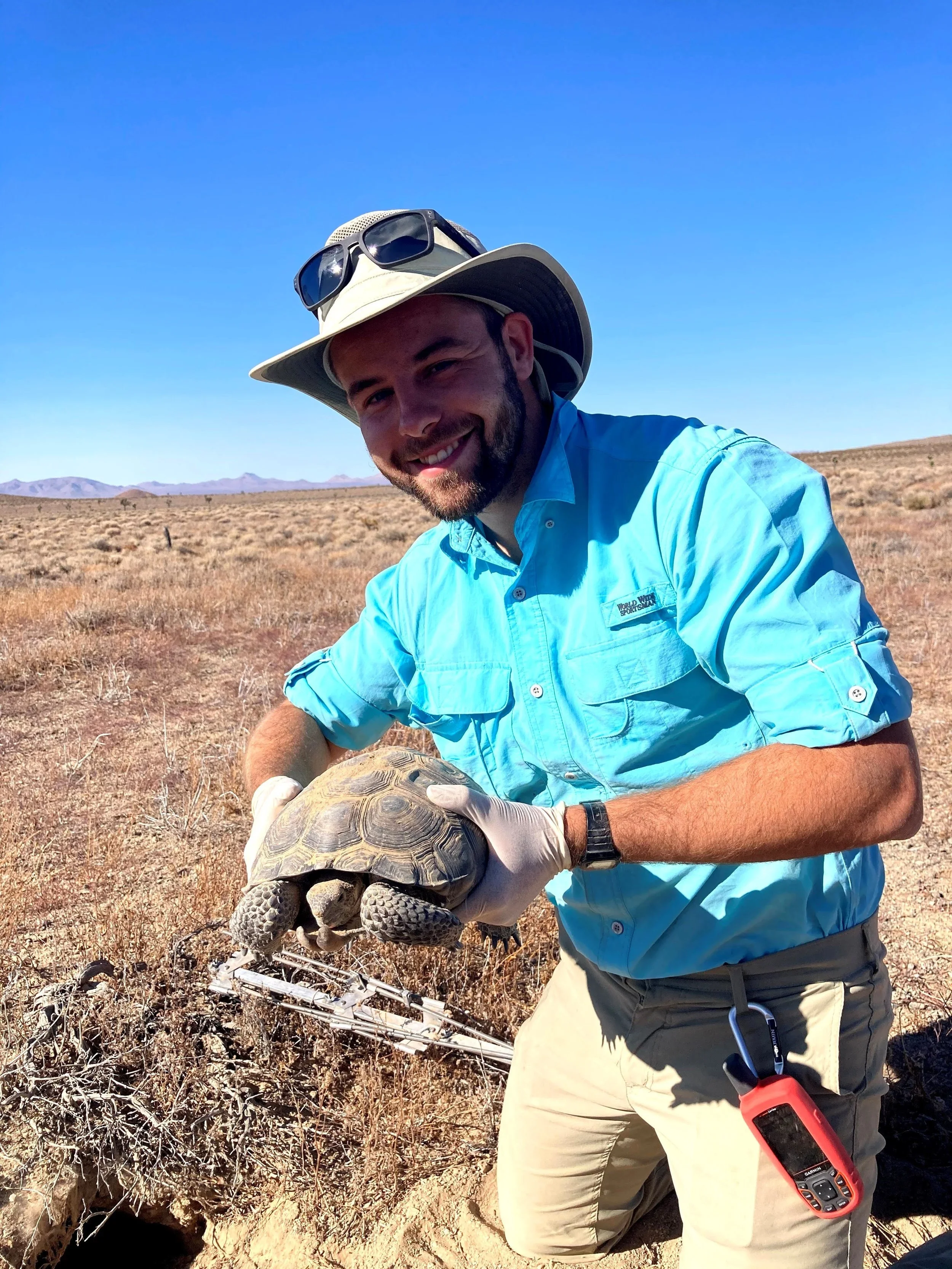
I first came to the southeastern US as a gopher tortoise technician in Georgia way back in 2020.
That led me to go on to work in Alabama, then Florida, and now finally here in Mississippi after finishing grad school at Cal Poly Humboldt out west.
Basically, every job I've held since 2018 has been herp conservation focused, and I had known for a long time that my ideal position would be non-game herp conservation in a state with a lot of herp diversity.
WHY DID YOU CHOOSE THIS CAREER?
There are a lot of reasons I chose this as a career path.
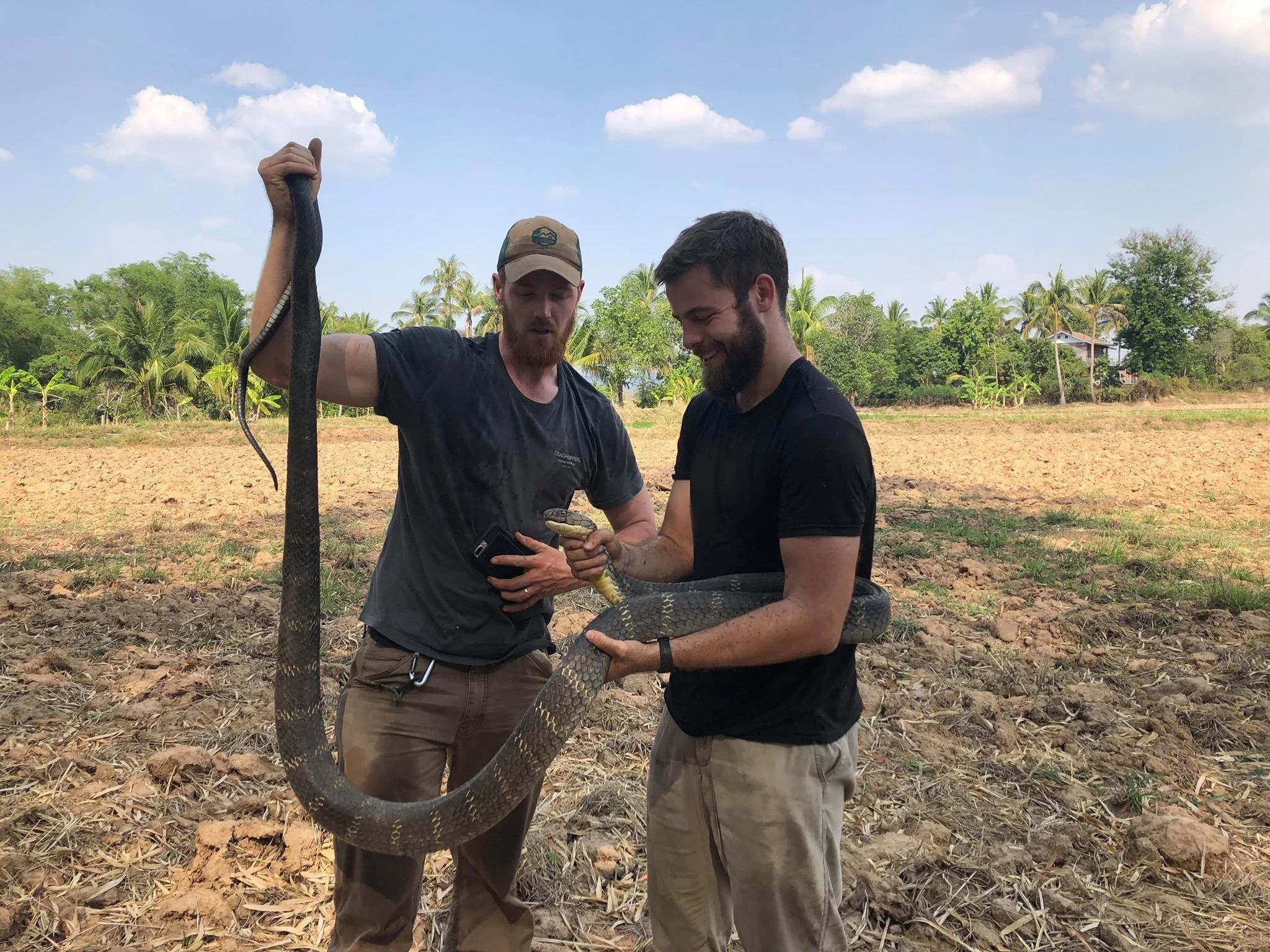
The first is that, as a young adult, it afforded me an opportunity to take these short-term seasonal positions in places I had never been and work with animals I had never seen before in my neck of the woods. I've always been a bit of a rolling stone so getting to travel and live in these different places was very enticing.
Second, as a biologist in this kind of role, you have to wear a lot of hats - and by that I mean you have to be able to do a lot of things fairly well. I have to be a project planner, collaborator, museum curator, statistician, writer, ambassador for animals, handy man, and a field biologist. I do some of those things better than others, but it's a really fun and challenging mix of skills.
Last and most importantly, the animals themselves are just fascinating. There aren't a lot of animals that a kid can go in their backyard and pick up, but most of those are amphibians and reptiles.
Garter snakes and newts were a childhood staple of mine and definitely set the stage for my broad interest in the group now years later. While perhaps not as charismatic as some of the state's other species, they're just as deserving of conservation efforts. They also tend to a very misunderstood and maligned group, so I think part of my motivation is that I like an underdog.
Part of my efforts in this position are going to be aimed at shifting people's attitudes towards these species and trying to help folks understand what makes these animals so special and worth conserving.
HOW DOES YOUR JOB CONTRIBUTE TO CONSERVATION?
My work contributes to conservation through a few different avenues.
One of the biggest issues facing herps is simply a lack of knowledge about their status and distribution. It can be nearly impossible to understand population trends when only a dozen or so individuals have been seen in the last 30 years (e.g. rainbow snakes). So, a lot of what I'll be doing is simply trying to fill out the current status of some of the most at-risk and/or cryptic species.
Second, the museum specimen collection also plays a big role, both as a teaching tool, but also a collaborative one. Researchers in Mississippi and beyond work on projects that involve historic records and specimens from the museum herp collection, and my goal is to facilitate that research and make the process as frictionless as possible - no one likes dealing with slow correspondence and burdensome red tape.
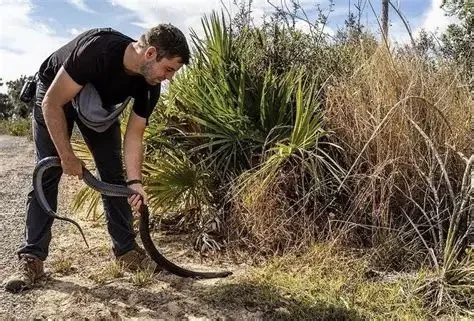
And third, I want to change attitudes about maligned species. Copperheads and cottonmouths, probably the two most infamous species on the eastern US, are both common in Mississippi. I'd like to show people that venomous snakes warrant respect, not fear, and that by understanding them a bit better they can live safely alongside them and the many harmless snake species we have here.
A little curiosity about the natural world goes a long way in understanding it, and understanding leads to appreciation, and that appreciation leads to conservation and a healthier ecosystem for all the species that inhabit it, including us.
ANY ADVICE FOR A STUDENT INTERESTED IN A BIOLOGY OR MUSEUM CAREER?
If you're a student reading this, and you're interested in this kind of career, I have a couple pieces of advice.
First and most importantly, is to follow where your curiosity takes you. Lean into it, because by learning, you're acquiring skills that are going to come in handy down the line.
Second, get out there. Don't get stuck in the planning or research phase - both of those are important but are secondary to actually going out and getting those experiences in the real world, whether that's volunteering with an organization or just getting outside and seeing animals. Those experiences build on each other and will help you figure out what you like and don't like.
Last, don't forget to have a heart. The world's a better place when there are caring and considerate people in it, so put the animals first, help others when you can, and be kind to those around you.