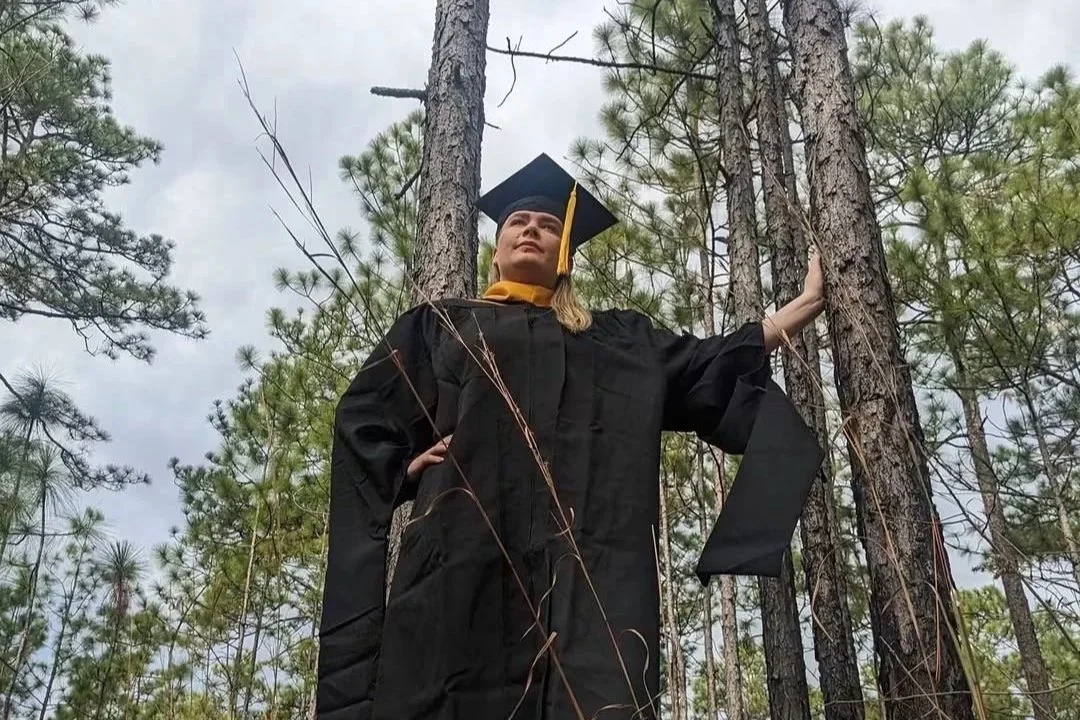
Shelbie Kellum-Holliday, Natural Resources Specialist
MUSEUM STAFF SPOTLIGHT
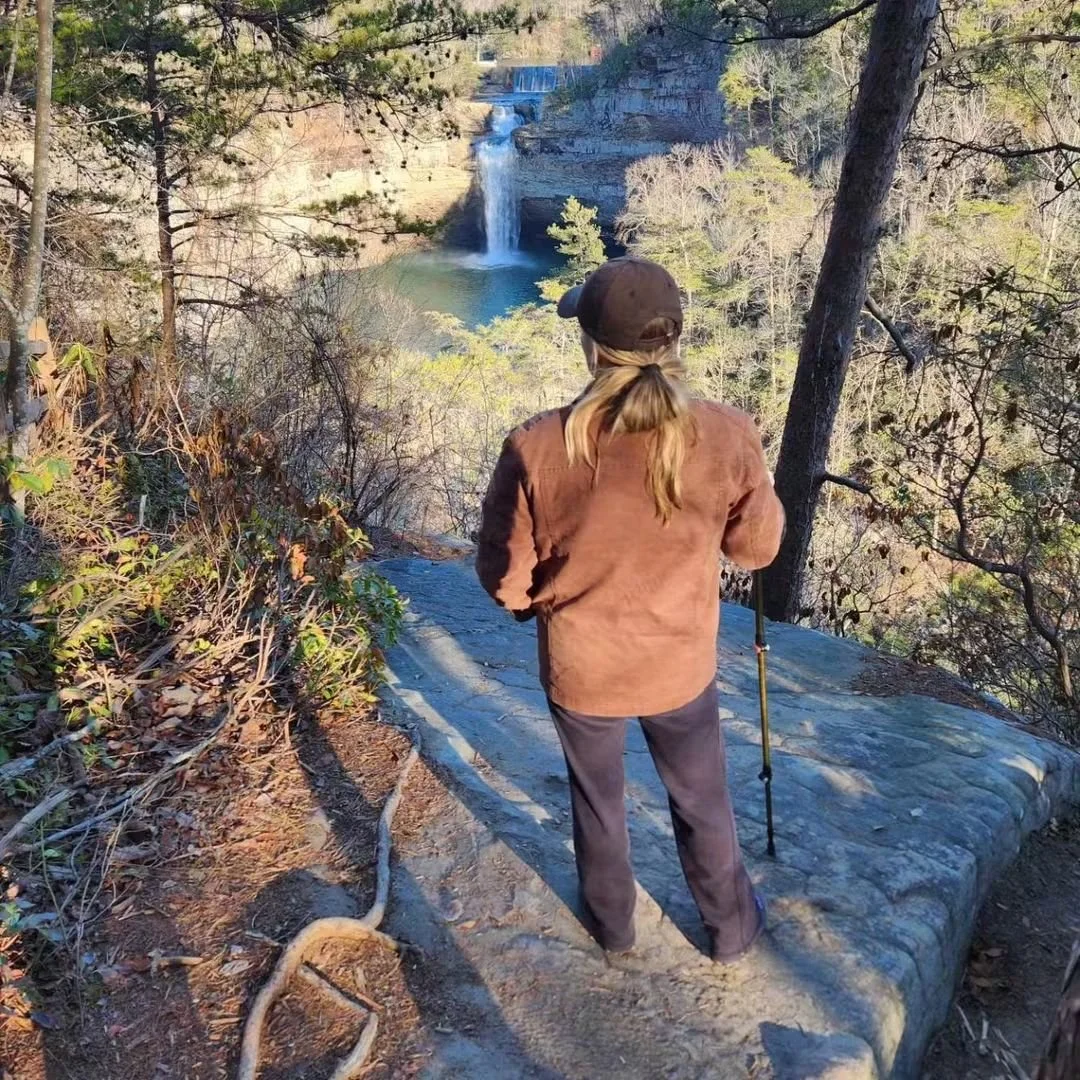
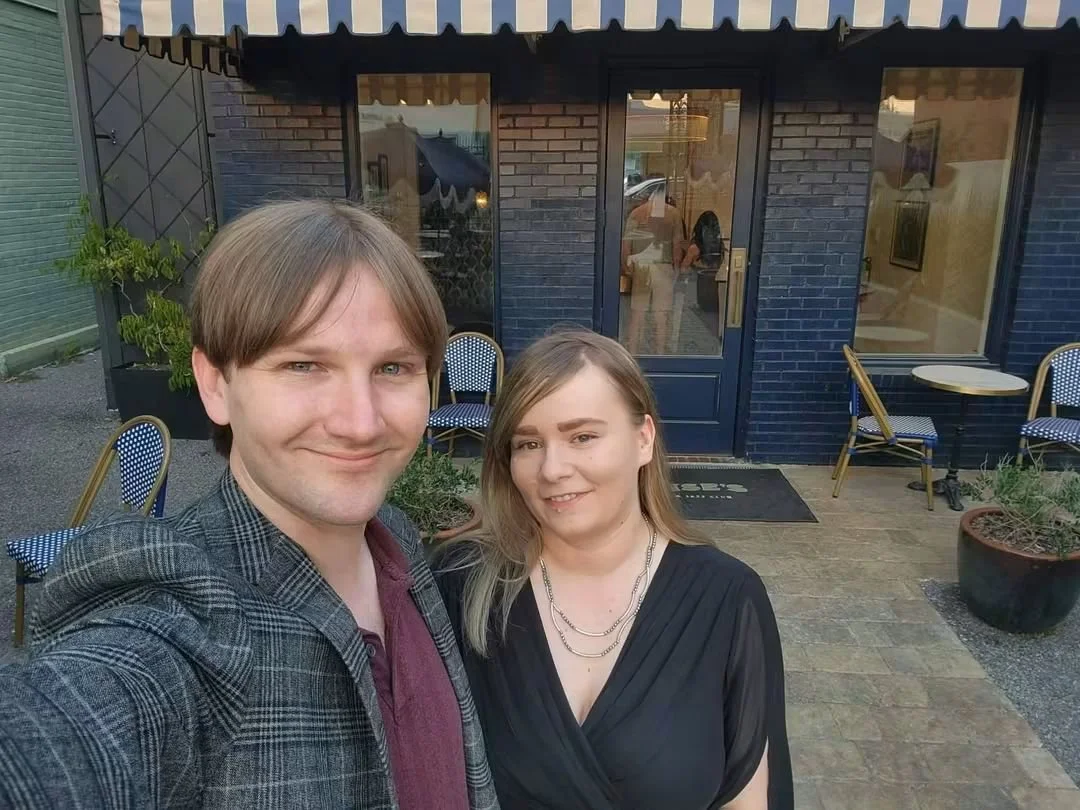
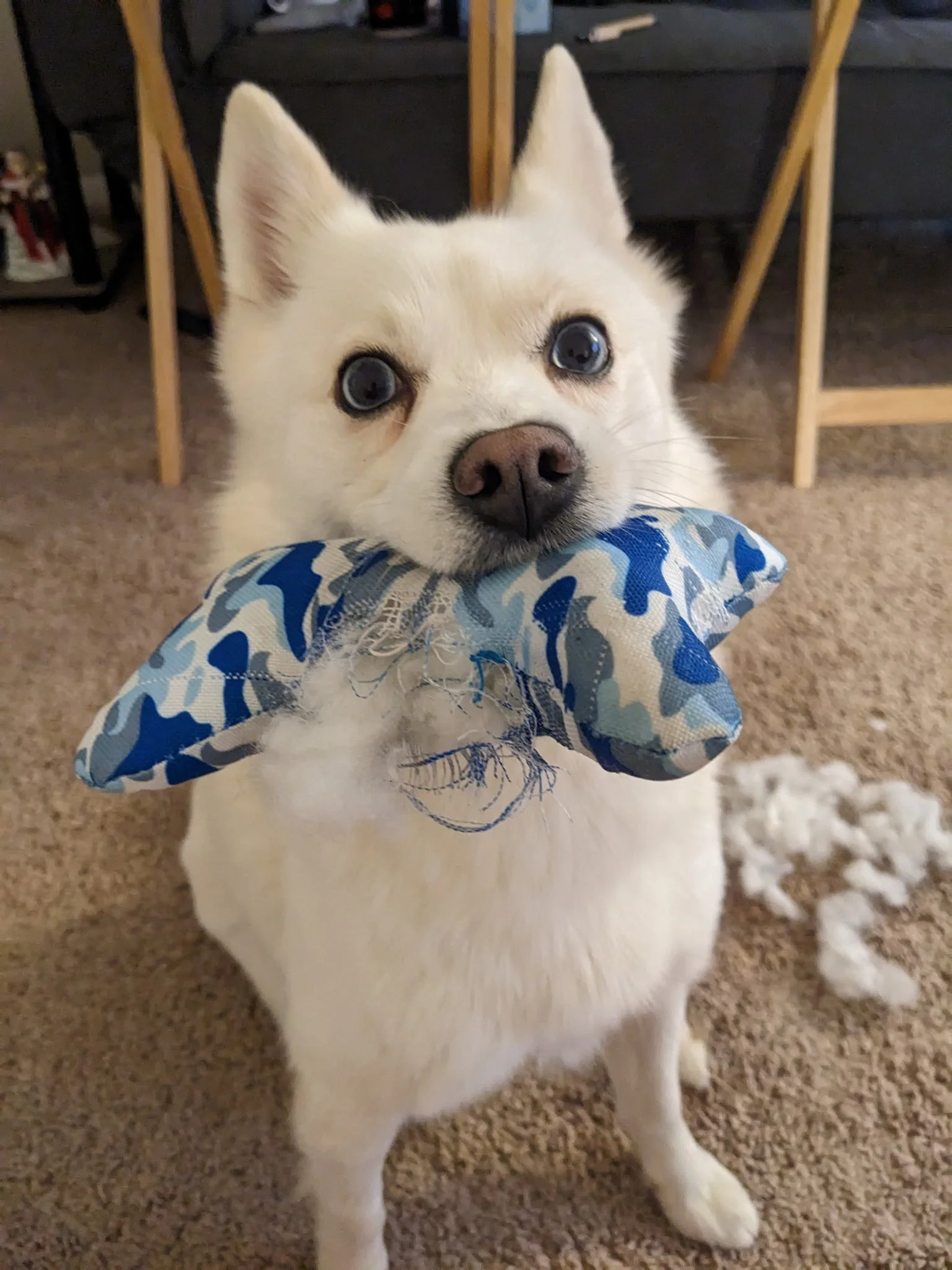
From studying the critically endangered dusky gopher frog to helping protect Mississippi's species through conservation data, Shelbie Kellum-Holliday is passionate about making a difference for wildlife and people alike. A proud Mississippian, avid reader, and aspiring author, she's proof that following your curiosity can lead to amazing places. When she's not working with wildlife data, you'll find her reading, hiking, attending rock concerts, or spending time with her husband, William, their anxious dog, Ghost, and their mischievous cat, Powder.
Read more about Shelbie's story on our blog!
HOW LONG HAVE YOU WORKED FOR MDWFP’S MISSISSIPPI MUSEUM OF NATURAL SCIENCE?
I started working at the museum in August 2026 (almost three months ago at the time of writing this).
WHAT’S YOUR WORKDAY LIKE?
A good portion of my workday revolves around data entry into our tracking system for threatened / endangered species (Biotics). Basically, I’m taking the information we have on collected field specimens and mapping that information in our digital system. This helps us determine which species need more conservation attention at any given time.
Beyond data entry and management, I help with various projects throughout the museum.
I particularly like the tasks that take place outdoors because they give me a break from staring at my three monitors.
TELL US A BIT ABOUT YOUR BACKGROUND AND EDUCATION
I grew up in a small town called Caledonia, Mississippi. Caledonia is about 25 minutes from Columbus, MS and a stone’s throw away from the Alabama state line. My dad is a salesman, and my mom is a software specialist. Although they are largely unfamiliar with the field of biology, they’ve always encouraged me to follow my own passions in life and their unwavering faith in me has been a dependable foundation in the rocky waters of academia.
I started at the Mississippi University for Women (MUW) as a communications major in 2015. One look at the required classes and I knew that was not the path for me. Luckily, I was enrolled in Biology 101 my first semester and that pushed me to switch my major. Once I obtained my bachelor’s in biology at MUW, I took a gap year due to COVID. During that time, I met my future husband and, with his encouragement, decided to continue my education by applying to graduate schools.
I completed my master’s in geography from the University of Southern Mississippi (USM) in 2024. During my time there, I studied the critically endangered dusky gopher frog. This experience resulted in my obsession with the species, my deep love for the longleaf pine ecosystem, and a piece of my heart forever residing in Hattiesburg, Mississippi. In fact, I got married there this month! SMTTT!
While wrapping up my degree at USM, I started as a PhD student in the Jones Ecohydrology Lab at the University of Alabama. At this point, I returned to biology (I just couldn’t stay away!). Although I ultimately earned a second master’s degree instead of a PhD, I truly treasure my time at UA. I was afforded the opportunity to study the salt marshes of Mississippi and Alabama – both in the field and through ArcGIS. My lab group was amazing, and they have gone on to be some of the best scientists that I have the pleasure of knowing! Roll Tide!
Outside of academia, I love to read and write and have completed a high fantasy book that I hope to have published sometime in the near future.
Other passions of mine include hiking, going to rock concerts, and crafting increasingly intricate charcuterie boards.
I live in Brandon, MS with my husband (William), who’s an industrial engineer at ERDC, our chronically anxious dog (Ghost), and our mischievous cat (Powder).
WHY DID YOU CHOOSE THIS CAREER?
You might think I chose this career because I love animals (I do), but the deep drive to help human communities is really what pushed me in this direction.
Specifically, I love the Southeast and I’m passionate about conservation, outreach, and the intersection of both in our region.
HOW DOES YOUR JOB CONTRIBUTE TO CONSERVATION?
My job contributes to conservation by providing mapped data that can be used to inform conservation efforts at the museum and throughout the state.
Records, both historic and current, can play a pivotal role in deciding how to allocate resources when aiding species of concern.
ANY ADVICE FOR A STUDENT INTERESTED IN A BIOLOGY OR MUSEUM CAREER?
No matter what your background is, there’s a place for you here! Don’t ever let anyone make you feel like you don’t belong.
Additionally, stay curious and don’t stop asking questions.
So what if no one else cares about the thing you want to study? Maybe that thing is just waiting for you to come along and write a thesis about it.