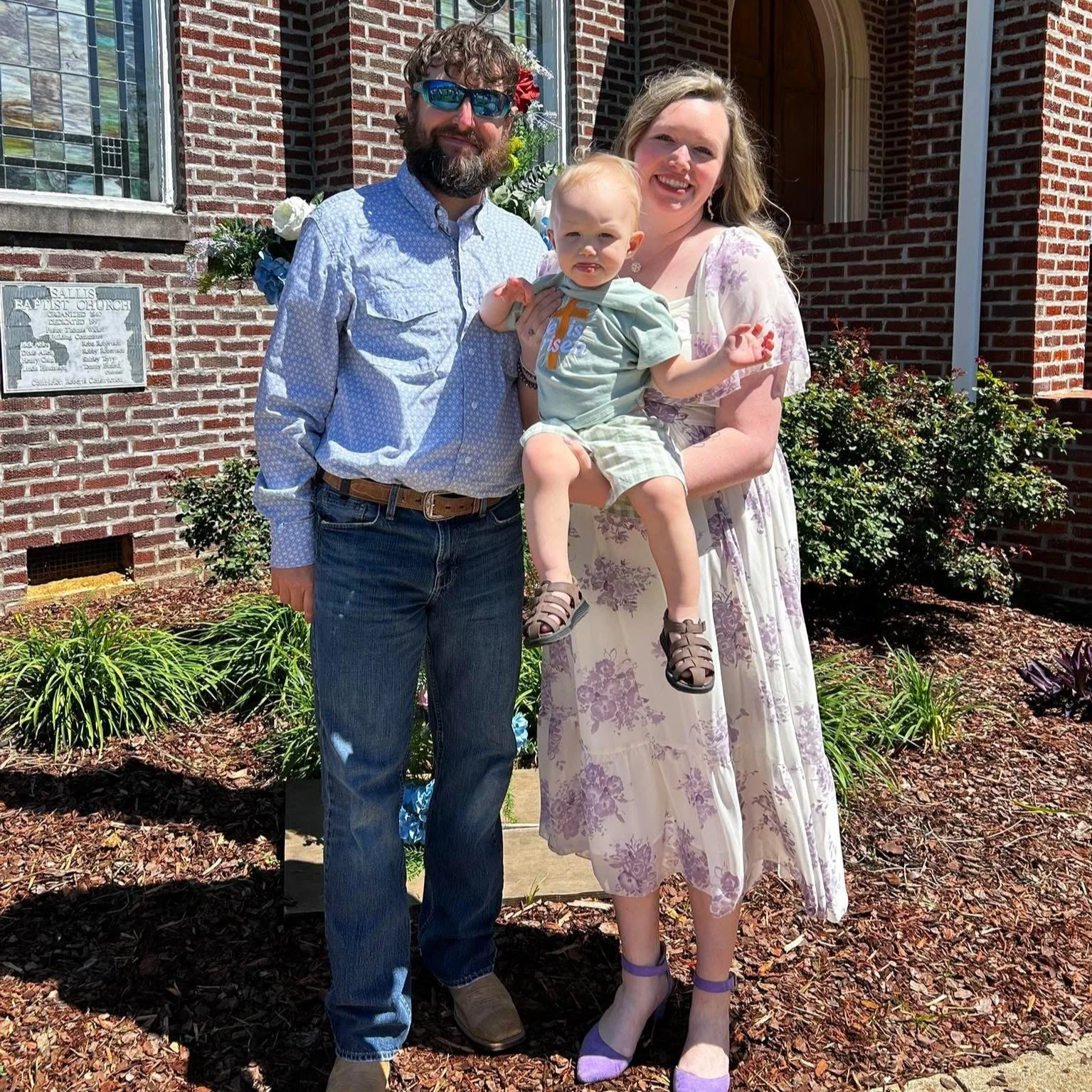
Clayton (Clay) Hathcock, Facility Maintenance Supervisor

MUSEUM STAFF SPOTLIGHT
Keeping a museum running smoothly takes more than what visitors see on the exhibit floor - and this month, we’re shining a light on one of the people who helps make it all happen behind-the-scenes.
Whether it’s troubleshooting building systems, coordinating repairs, or making sure every space is safe and welcoming, Clay Hathcock plays a vital role in keeping the Museum operating at its best. With a hands‑on background and a love for the outdoors, Clay brings dedication, skill, and a quiet reliability to the work that supports every visitor’s experience.
HOW LONG HAVE YOU WORKED FOR MDWFP’S MISSISSIPPI MUSEUM OF NATURAL SCIENCE?
I’ve worked for the Museum for three months.
WHAT’S YOUR WORKDAY LIKE?
Everyday is different.
My workday usually starts with checking building systems like HVAC, Electrical, Plumbing. I coordinate maintenance requests, supervise repairs, and make sure preventive maintenance is completed.
I also work closely with different departments to keep exhibits and public areas operating smoothly and safely.
TELL US A BIT ABOUT YOUR BACKGROUND AND EDUCATION
I've always enjoyed working with my hands and learning how mechanical systems work.
I studied HVAC at Holmes Community College. While there, I worked with the maintenance department working on HVAC/ Electrical systems and gained experience through hands-on works in facility maintenance.
Then, I worked at Central Hills Baptist Retreat for 15 years working on facility maintenance.
Outside of work, I enjoy spending time with family, working on projects, and being outdoors hunting and fishing.
WHY DID YOU CHOOSE THIS CAREER?
I chose this career because I enjoy solving problems and working in a hands-on environment.
I like knowing that the work I do helps keep a facility operating safely and efficiently for everyone who visits and works there.
HOW DOES YOUR JOB CONTRIBUTE TO CONSERVATION?
Facility maintenance plays an important role in conservation by maintaining proper temperature, humidity, lighting, and air quality throughout the museum.
These systems help protect exhibits, artifacts, and collections from damage while also improving energy efficiency and reducing waste.
ANY ADVICE FOR A STUDENT INTERESTED IN A BIOLOGY OR MUSEUM CAREER?
Stay curious and be willing to learn from every opportunity.
Whether you are interested in biology, conservation, maintenance, or museum operation, hands-on experience is very valuable.
Ask questions, volunteer when possible, and develop strong communication and problem-solving skills.